How Self-Cleaning Filters Achieve "Self-Cleaning"
A self-cleaning filter automatically removes trapped solids to maintain flow without manual intervention. The core process is a cycle: Monitor → Trigger → Clean → Reset.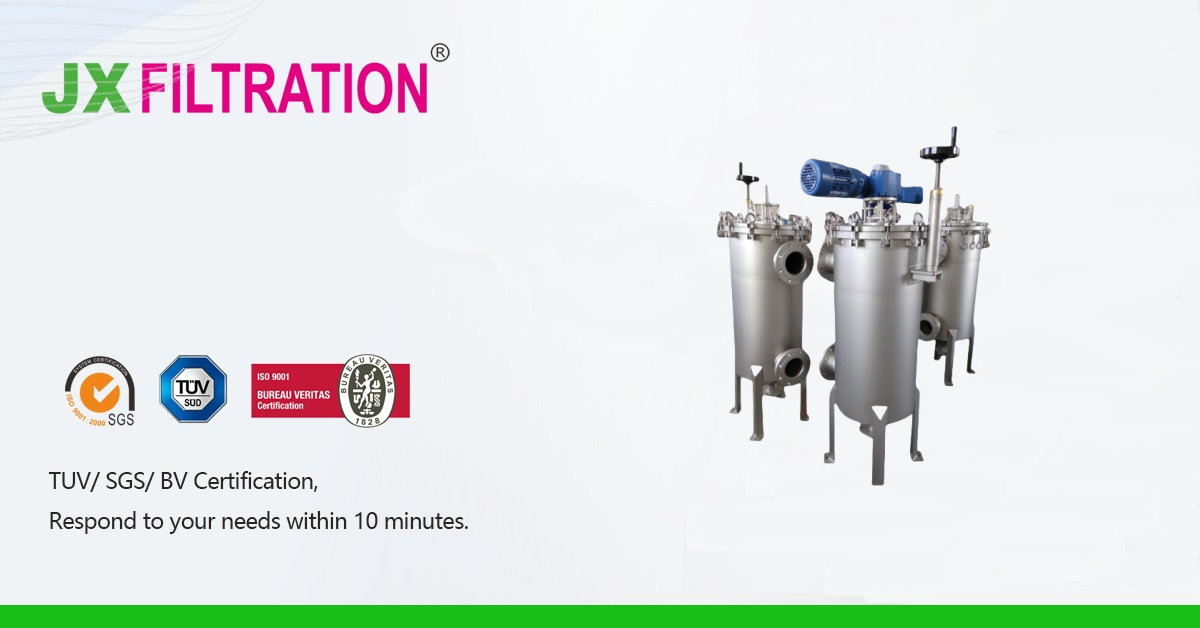
1. Monitor & Trigger
The system continuously monitors itself, typically via a differential pressure sensor across the filter screen. When clogging increases the pressure drop to a set point, or after a timed interval, the control system triggers a cleaning cycle. Main filtration often continues during this brief cycle.
2. The Cleaning Action (Mechanical or Hydraulic)
The key is a dedicated internal cleaning mechanism. Common types include:
-
Scraper: A blade physically scrapes solids off the screen's inner surface.
-
Brush: A rotating brush scrubs the screen clean.
-
Suction Nozzle (Most Common): A nozzle traverses the screen, using system pressure or a vacuum pump to create a reverse flow that sucks debris off the screen.
3. Waste Removal & Reset
The dislodged waste is flushed out through an automatic discharge valve. Once cleaning is complete, the mechanism resets, the valve closes, and the filter returns to full-flow filtration, ready for the next cycle.
In summary, the filter automates the fouling reversal by integrating a sensor, a controller, and a dedicated cleaner (Scraper/Brush/Suction Nozzle) to perform brief, in-service cleanings, ensuring uninterrupted operation.
Any Requirements, Contact Us Now!
Grace
Email/Teams: grace@filtrationchina.com
Mobile/Whatsapp/Wechat: +86 17269571160